Reimagine Your Outdoor Setting: Certified Landscaping Solutions Formatted for Your Home
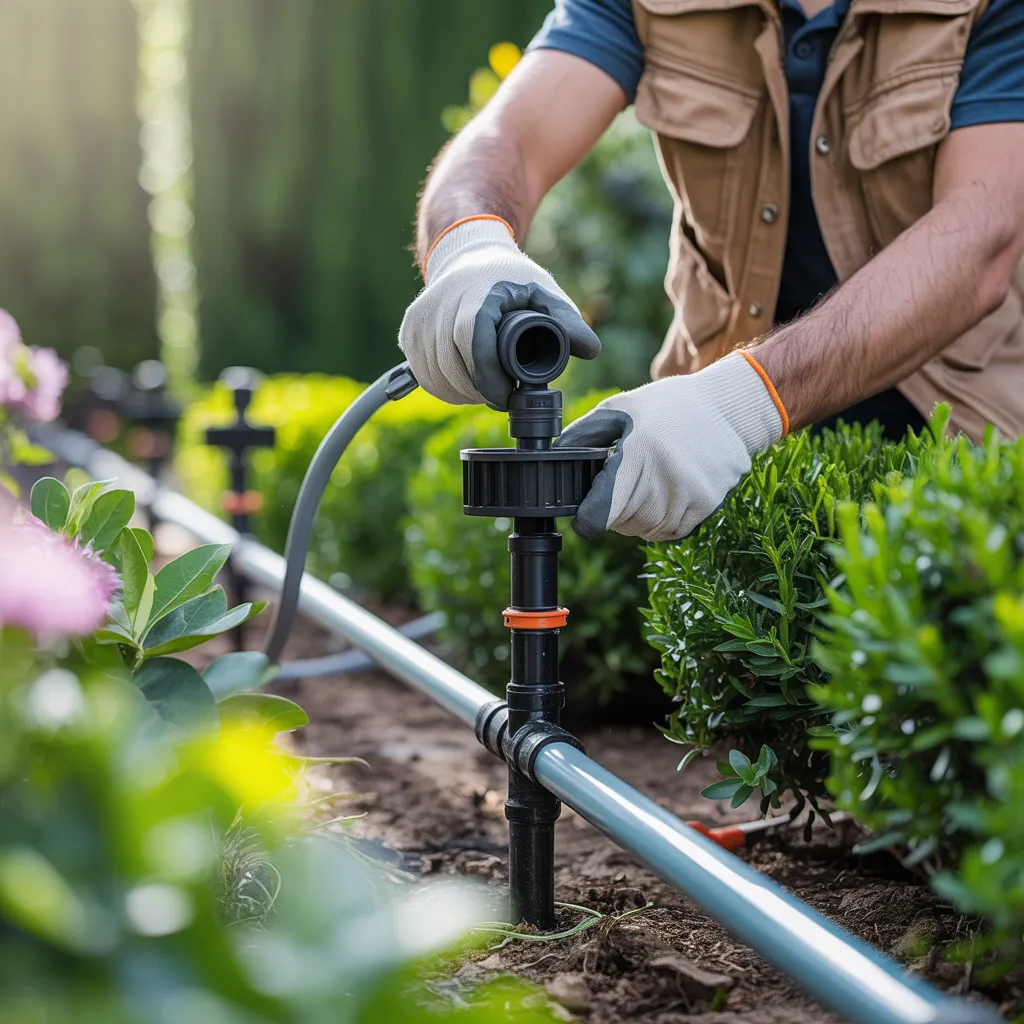
Transforming an outdoor space can greatly impact a home’s general attractiveness and functionality. Expert landscaping services offer specialized knowledge in design, plant selection, and eco-friendly methods. These experts can integrate modern trends and hardscaping features, creating a customized setting. However, the process involves more than just visual appeal. Understanding the full range of benefits and considerations can lead to a more knowledgeable choice. What should homeowners prioritize when embarking on this project?
Key Advantages of Engaging Qualified Landscapers
When evaluating yard improvements, many homeowners find that engaging landscape experts provides notable benefits. These specialists bring a abundance of expertise and skill that can reshape a yard into a harmonious, visually attractive space. First, they hold a thorough grasp of regional conditions and earth composition, allowing them to select the most suitable plants and resources. This assures endurance and vigor in the summary landscaping.
Additionally, trained landscapers can efficiently implement complicated designs that might intimidate an inexperienced homeowner. They have access to professional tools and equipment, which can save time and reduce the risk of injury. Furthermore, they can provide crucial insights on sustainable practices and maintenance, helping homeowners create environmentally friendly spaces. Ultimately, by engaging professional landscaping services, homeowners can elevate property value and establish outdoor areas that reflect their personal style while promising functional and sustainable designs.
Popular Landscaping Styles You Should Understand
As landscaping develops, several patterns are gaining traction among homeowners and professionals alike. Sustainable landscape practices, vertical gardening solutions, and the selection of native plants are reshaping outdoor spaces while promoting environmental health. Understanding these trending styles can inspire creative ideas and enhance the aesthetic appeal of any landscape.
Sustainable Landscape Solutions
In recent times, sustainable landscape practices have gained significant traction, indicating a growing awareness of environmental concerns. Homeowners are prioritizing environmentally conscious designs that reduce water use and enhance biodiversity. Native plants typically require less maintenance and provide habitats for local wildlife. The use of permeable paving materials helps decrease runoff and aid groundwater recharge. Rain gardens remain a popular option, capturing stormwater while filtering pollutants. Composting organic waste into mulch enriches the soil and lessens landfill input. Additionally, integrating sustainable irrigation solutions like drip irrigation conserves water and keeps landscapes thriving. Overall, these methods not only improve outdoor appearance but also support a positive environmental impact, matching modern ecological values.
Vertical Planting Methods
The advancement of environmentally conscious gardening has laid the way for forward-thinking design approaches, including vertical gardening. This system permits homeowners to maximize limited space, converting walls and fences into lush green canvases. Vertical gardens not only enhance aesthetic appeal but also contribute to air quality and biodiversity. With different setups available, such as modular panels and hydroponic setups, homeowners can choose options that align with their specific needs and environmental conditions. These gardens can support a wide range of plants, from ornamental flowers to edible herbs, keeping them versatile and functional. As urban living continues to increase, vertical gardening develops as a practical trend that merges beauty with sustainability, allowing for a greener, more vibrant outdoor space.
Native Plant Selection
An increasing collection of homeowners are embracing native plant varieties as a notable movement in landscaping. This technique focuses on employing plants that are native to the local environment, fostering biodiversity and environmental stewardship. Native plants demand less water and minimal maintenance, making them a practical choice for environmentally minded homeowners. Additionally, they invite local creatures, such as pollinators and birds, boosting the ecosystem. Experts advise researching regional flora to pick species that thrive in specific conditions, securing a dynamic and resilient landscape. By embedding native plants, homeowners can create beautiful outdoor spaces that reflect their local legacy while contributing to ecological conservation. This phenomenon not only elevates aesthetics but also cultivates a more profound affinity with the natural world.
Weaving Trends Into Your Outdoor Layout
Incorporating modern trends into landscape design can improve both aesthetics and practicality. Sustainable landscaping practices emphasize environmental health, while contemporary hardscape features offer innovative solutions for outdoor spaces. Together, these approaches create appealing and eco-friendly landscapes that align with contemporary values.
Environmental Landscape Solutions
How can homeowners create outdoor spaces that are both beautiful and eco-friendly? Green landscaping practices offer a compelling solution. By selecting native plants, homeowners can reduce water usage and support local biodiversity. Incorporating organic gardening techniques minimizes chemical inputs, encouraging healthier ecosystems. Rain gardens and permeable paving can manage stormwater runoff, improving both functionality and aesthetics. Utilizing compost and mulching enriches soil health while reducing waste. Additionally, integrating efficient irrigation systems saves water while ensuring plant health. Homeowners can also embrace xeriscaping to create eye-catching landscapes that flourish in arid conditions. These practices not only improve the beauty of outdoor spaces but also contribute positively the environment, demonstrating a commitment to sustainability in landscaping design.
Contemporary Hardscaping Components
What qualities characterize modern hardscaping in contemporary outdoor design? This approach highlights clean lines, geometric shapes, and a blend of materials that create functional outdoor spaces. Key features often feature concrete pavers, natural stone, and wood elements, which are used to craft patios, walkways, and retaining walls. Additionally, modern hardscaping seamlessly integrates outdoor living spaces, such as fire pits and outdoor kitchens, into the landscape. Water features, like minimalist ponds or fountains, further enhance the aesthetic while promoting tranquility. The use of sustainable materials and permeable surfaces reflects a growing trend towards eco-friendliness. Ultimately, modern hardscaping prioritizes both form and function, creating inviting environments that harmonize with nature and elevate outdoor experiences.
Finding the Finest Landscaping Solutions
It is also necessary to verify qualifications, including certifications and coverage, to guarantee compliance with local regulations. Clients should seek providers that provide customized solutions suited to their particular preferences and requirements. Engaging in a comprehensive consultation facilitates clear communication of ideas and expectations.
To summarize, acquiring extensive quotes from various contractors can contribute to prudent financial decisions. By attentively assessing these aspects, homeowners can select grounds design services that not only accomplish their aspirations but also heighten the overall value of their property.
Simple Care Recommendations for Your Exterior Oasis
Designing a stunning outdoor sanctuary requires persistent maintenance, but introducing a few straightforward tactics can make the process effortless. Routine responsibilities, such as watering early in the morning or late in the evening, help save moisture and prevent evaporation. Applying mulch around plants not only holds soil moisture but also controls weeds, reducing the need for constant care.
Using indigenous vegetation can further minimize upkeep, as they are adapted to local climate and require less watering and care. Establishing a routine for trimming and removing spent blooms ensures plants stay vibrant and attractive.
Ultimately, channeling resources into a reliable irrigation system can save time and guarantee consistent watering. By observing these hassle-free maintenance tips, occupants can enjoy their garden haven while sustaining it vibrant and inviting without excessive effort.
Estimating Your Yard Design Expenses
Determining landscaping costs is a essential step in transforming an outdoor environment. Homeowners must first assess their individual needs and goals, which can vary widely depending on the features desired such as gardens, patios, or water features. After that, gathering multiple bids from trusted landscaping contractors is crucial; this provides a feasible budget and allows for service comparisons.
Materials, labor, and design complication greatly influence overall costs. For copyrightple, premium plants and hardscaping materials can increase expenses, while simpler designs may keep costs affordable. Additionally, ongoing maintenance expenses should not be overlooked, as they can impact future financial planning.
Finally, it is prudent to reserve a contingency fund for unforeseen costs that may arise during the project. By precisely calculating costs and organizing strategically, homeowners can attain their ideal backyard without budget stress.
Frequently Asked Questions
How Much Time Does it Take to Complete a Standard Landscaping Project?
A standard landscape design typically takes between one week to several months to finish, based on the project's scale and intricacy. Factors such as weather, design intricacies, and material availability can also influence the timeline.
Will Grounds Maintenance Services Support With Drainage Issues?
Yes, yard improvement services can successfully manage drainage issues. Professionals assess the landscape, deploy options like terrain grading, water systems, and ideal plant selection, verifying water moves effectively and minimizes flooding or erosion in exterior landscapes.
What Should I Think About Before Hiring a Landscaper?
Before hiring a landscaper, one should consider their budget, the landscaper's experience, portfolio, references, design style, timelines, and understanding of local regulations. Clear dialogue of expectations will ensure a successful landscaping project.
Can you find green yard design options on the market?
Yes, environmentally conscious yard design solutions are available. These comprise native plants, drought-resistant landscaping, organic fertilizers, rain gardens, and porous surface materials, all aimed at advancing environmental responsibility while improving visual attractiveness and benefiting local fauna and natural habitats.
How Regularly Should I Arrange Service for My Landscaping?
Consistent care for garden spaces should be timed every four to six weeks during the active growth phase. This assures optimal look and condition, allowing plants to prosper while preventing overgrowth and sustaining overall landscape beauty.
Comments on “Choose Memphis Landscaper for Outdoor Renovations”